The waiting room is often the first physical point of contact between a professional and their clients. In 2026, turning that waiting time into a moment of genuine engagement is no longer optional: it is a strategic lever for improving satisfaction and brand image.
A waiting room screen is a digital signage solution that uses a television to show targeted, entertaining and practical information. It serves two main purposes: reducing how long the wait feels and strengthening communication between practitioners and their patients or clients. Picking the right waiting room screen content ideas is what makes the difference. According to the latest 2025 studies on patient experience, a well-programmed screen can reduce perceived waiting time by almost 35%, while increasing recall of health messages by 52%.
Why does your screen content transform the welcome?
Digital signage in a waiting room is not just about showing broadcast television. It is about building a personalised playlist that meets the specific needs of your audience. In 2026, people are used to fast, visual information. A blank screen or a pile of out-of-date magazines is no longer enough to keep them engaged.
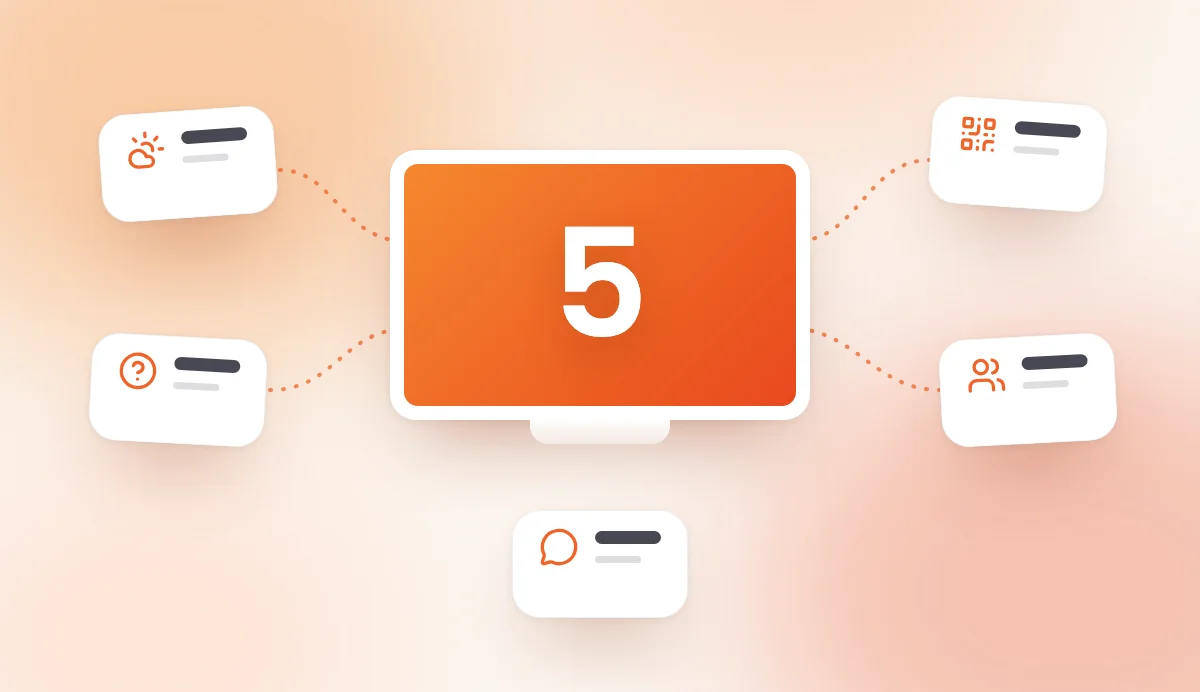
AtmoScreen lets you run this experience from a simple web browser, turning any TV into a marketing and educational tool. Here are the 5 types of content that have the most positive impact, based on feedback from our users.
1. Practical information and life at your practice
The first job of your waiting room screen is to reassure and guide. Patients or clients walking into your practice need immediate points of reference.
Reassure through transparency
Show your opening hours, how to book an appointment (online booking platform such as Doctolib, website, phone) and any health guidelines currently in place. Introducing the team with photos and names makes the practice feel more human and reduces anxiety, particularly in the medical and legal sectors.
Concrete examples
- A card introducing a new colleague or the dental assistant.
- A reminder of the documents to bring to the appointment (health insurance card, administrative paperwork).
- Holiday closure dates and the name of the colleague covering in your absence.
At AtmoScreen, we recommend devoting around 20% of your playlist to this basic information, as it answers the repetitive questions your reception team gets asked.
2. Prevention advice and professional expertise
Waiting time is the ideal moment to get prevention messages or sector-specific advice across. This is where you demonstrate your professional expertise.
Educate to support people better
In a pharmacy, share advice on seasonal vaccination or how to use essential oils. In a law firm, offer short explainers on new regulations. In 2025, a study showed that 78% of patients appreciate receiving health advice while they wait, because it makes them feel they are not "wasting their time".
Types of educational content
- Short videos on brushing teeth (dentists) or back stretches (osteopaths).
- Infographics on nutrition or sleep.
- News flashes on legal or tax updates (accountants).
| Sector | Recommended type of advice | Expected impact |
|---|---|---|
| Medical | Prevention and healthy living | Fewer questions during the consultation |
| Pharmacy | Seasonal advice and dosage | Higher sales of over-the-counter health products |
| Agencies | Market trends and tips | Stronger expert credibility |
3. Weather, news and dynamic entertainment
To hold attention over time, your screen needs to feel "alive". Real-time data feeds are essential to avoid boredom.
Anchor the screen in everyday life
Showing the local weather and general news (while avoiding distressing topics) keeps visitors' eyes on the screen. This is what we call "hook" content: people look at the weather, then stay focused on the next message, which is about your services.
How does AtmoScreen make this easy?
With our built-in widgets, there is nothing to create. You switch on the "Weather" or "News feed" module and the screen updates automatically every minute. We see that screens mixing local information with professional advice hold attention 3 times longer than a static slideshow.
4. Showcasing services and promotions
Your waiting room is a silent but powerful sales space (or a place to promote your services). Digital signage for pharmacies or estate agencies works particularly well for this.
Prompt people to act
If you offer lesser-known services (medication reviews, telemedicine, new skincare products, exclusive listings), this is the moment to show them. A screen presents an offer far more attractively than a paper poster that ends up turning yellow.
Conversion examples
- Pharmacy: a promotion on a sun protection range before the summer.
- Veterinary practice: a reminder about the importance of dental scaling, with a temporary discount.
- Estate agency: a slideshow of "sold properties" to reassure prospective sellers.
Useful link: discover our prices and plans to boost your waiting room communication.
5. Visual slideshows and a relaxing atmosphere
Finally, do not forget the aesthetic side. A waiting room can be a stressful place. Using your screen as a "window" onto the world can transform the atmosphere of the room.
Create a calming atmosphere
The AtmoScreen display system lets you show high-definition landscapes, nature videos or artistic slideshows. This lowers cortisol levels (the stress hormone) in patients waiting for a procedure or an important appointment.
Visual best practices
- Avoid sound: a waiting room should stay calm. Use subtitles if needed.
- Favour loops of 15 to 20 minutes so patients do not see the same thing twice.
- Use clean, minimal design templates so you do not overload the visual space.
Frequently asked questions
What is a waiting room screen?
A waiting room screen is a professional communication device that uses a television to show multimedia content (videos, images, weather feeds) to inform and entertain visitors while they wait. It is managed with digital signage software such as AtmoScreen.
What is the benefit of digital signage compared with regular television?
Unlike a regular TV channel, digital signage gives you 100% control over the message. You avoid competitors' adverts and distressing news while including your own professional messages and specific services.
How do I set up a waiting room display solution?
Setup is very simple: all you need is a Smart TV or a small streaming device (such as an Amazon Fire TV Stick) connected to the internet. You install the AtmoScreen app and manage your content from any computer through your secure dashboard.
Why does a screen reduce patient stress?
A screen reduces stress by occupying the mind and lessening the feeling of waiting passively. By showing calming content or useful information about how the appointment will go, you give patients back a sense of control.
Conclusion
An effective waiting room screen strikes the right balance between useful information, education and entertainment. In 2026, technology such as AtmoScreen makes this accessible to every professional, with no technical skills required. By showing varied, regularly updated content, you are no longer simply keeping your clients waiting: you are building a genuine relationship of trust before the appointment even begins.
Improve the welcome at your practice today
Turn your television into a genuine professional communication tool with AtmoScreen.
- Discover how AtmoScreen works and create your first screen in under 5 minutes.
- See our prices and plans to find the right option for your practice.
- Have a specific need (multiple sites, custom content)? Contact our team.
- Or start your 7-day free trial, no credit card required.